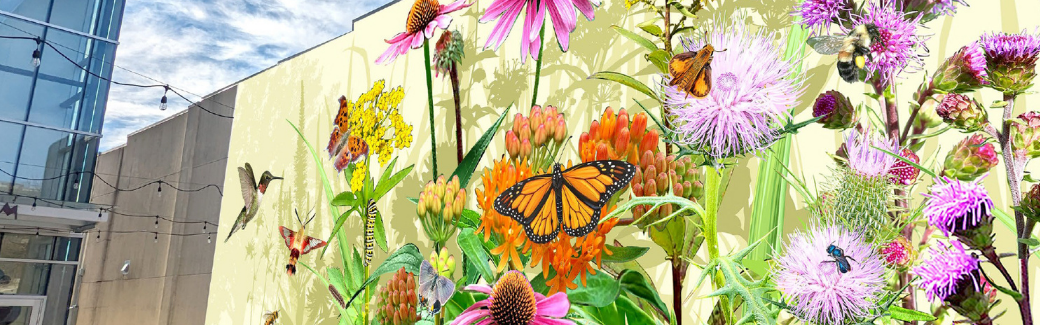
Discover the Species of the Migrating Mural
Dive into a 3D exploration of all the species woven into the Migrating Mural, from native wildflowers to migrating butterflies, and discover how they shape Illinois ecosystems and tell the story of connection and movement.
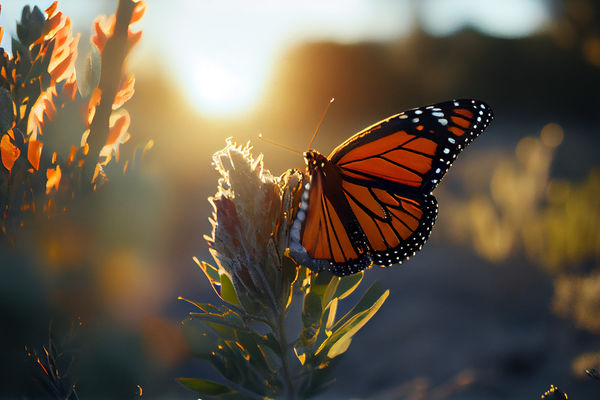
Monarch Butterfly
The monarch butterfly is one of the most recognizable pollinators in North America. Each year, monarchs migrate thousands of miles, relying on native plants like milkweed to survive. As they sip nectar from flowers, they help pollinate the landscape along their journey. Monarchs remind us how connected ecosystems truly are.
Explore in 3D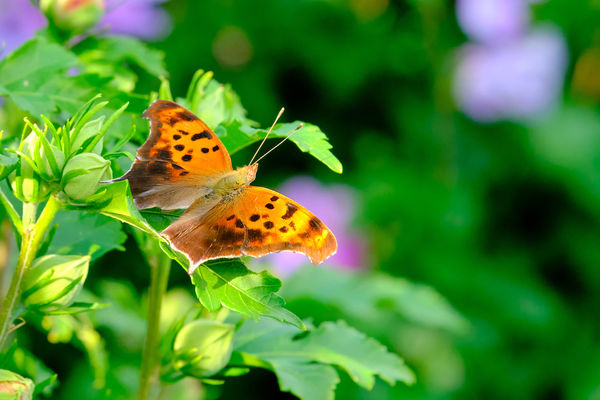
Question Mark Butterfly
The question mark butterfly is one of the most distinctive butterflies in North America. Each year, it moves between seasonal habitats, relying on native trees and plants to survive. As it feeds on sap, fruit, and nectar, it helps move energy through the ecosystem along its path. Question marks remind us how adaptable and resilient pollinators truly are.
Explore in 3D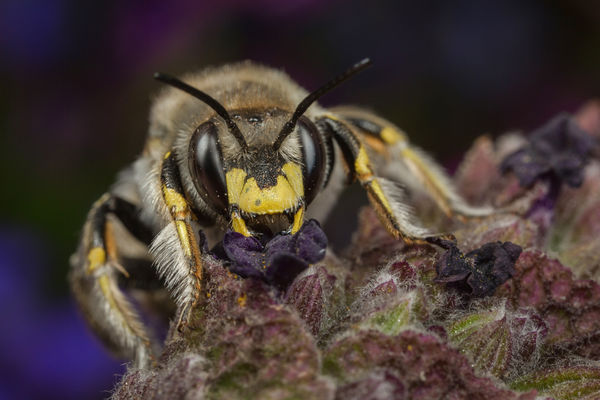
Wool-Carder Bee
The wool carder bee is one of the most fascinating native bees in North America. Each summer, it gathers soft plant fibers, relying on native flowers to build and protect its nest. As it visits blooms for nectar and pollen, it helps pollinate the landscape around it. Wool carder bees remind us how even small creatures play an important role in healthy ecosystems.
Explore in 3D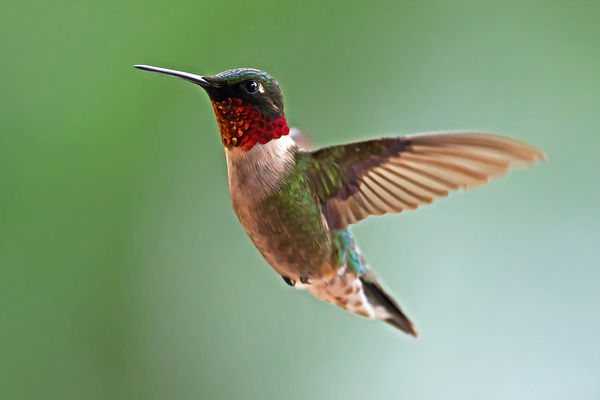
Ruby-Throated Hummingbird
The ruby throated hummingbird is one of the smallest and most dazzling birds in North America. Each year, it migrates hundreds of miles, relying on native flowering plants to fuel its journey. As it hovers to sip nectar, it helps pollinate the landscape along its path. Ruby throated hummingbirds remind us how powerful even the tiniest travelers can be.
Explore in 3D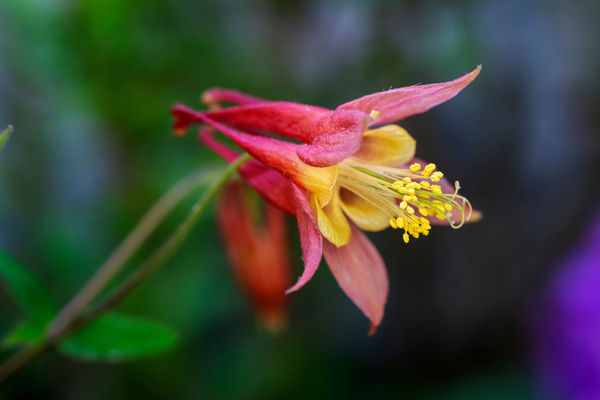
Eastern Red Columbine
The eastern red columbine is one of the most distinctive wildflowers in North America. Each spring, it blooms in woodlands and gardens, relying on hummingbirds and bees to thrive. As pollinators visit its bright red and yellow flowers, they help spread pollen across the landscape. Eastern red columbine reminds us how closely plants and wildlife depend on one another.
Explore in 3D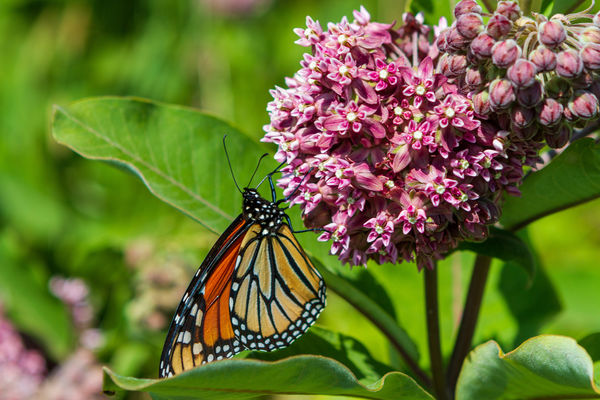
Milkweed
The milkweed plant is one of the most important native plants in North America. Each summer, it supports monarch butterflies, relying on open prairies and gardens to thrive. As monarchs lay eggs and caterpillars feed on its leaves, the life cycle continues across the landscape. Milkweed reminds us how one plant can sustain an entire migration.
Explore in 3D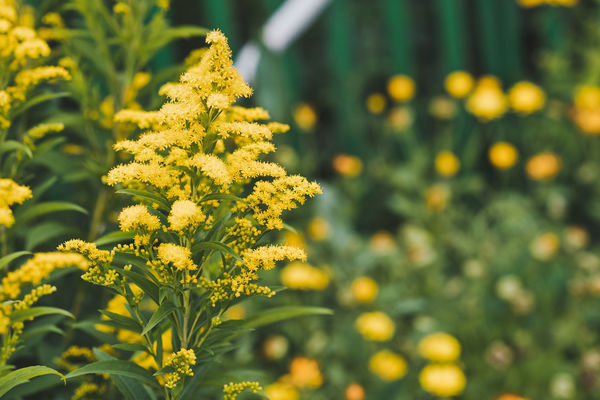
Slender Flattop Goldenrod
The slender flattop goldenrod is one of the most graceful native wildflowers in North America. Each late summer, it blooms in prairies and open woodlands, relying on sunlight and healthy soil to thrive. As bees and butterflies gather nectar from its tiny clustered flowers, they help pollinate the landscape around them. Slender flattop goldenrod reminds us how late season blooms sustain life before winter arrives.
Explore in 3D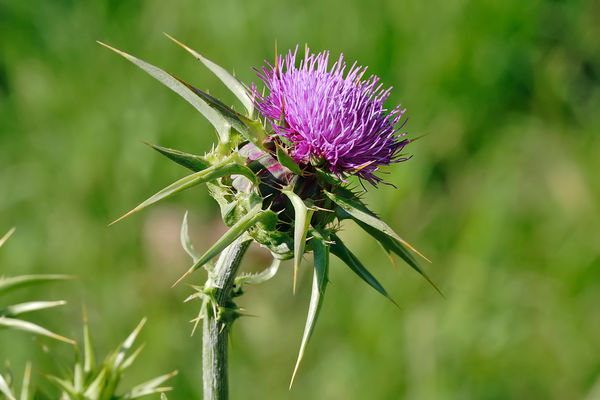
Thistle
The thistle is one of the most resilient native plants in North America. Each summer, it blooms in prairies and roadsides, relying on open sunlight to thrive. As bees and butterflies gather nectar from its bright purple flowers, they help pollinate the landscape around them. Thistles remind us that even the prickliest plants can provide essential support for wildlife.
Explore in 3D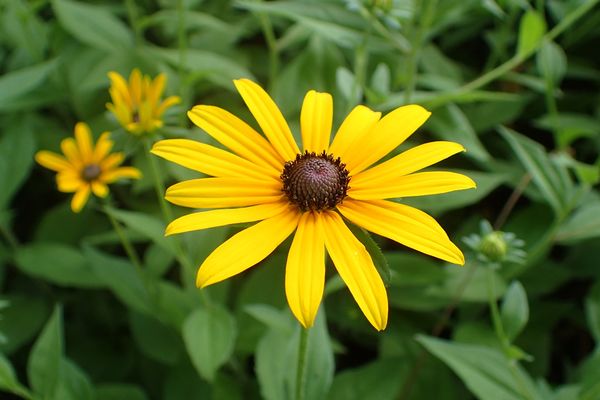
Rudbeckia Flower
The rudbeckia flower, also called black eyed Susan, is one of the most recognizable native blooms in North America. Each summer, it brightens prairies and gardens, relying on open sunlight to thrive. As bees and butterflies gather nectar from its golden petals, they help pollinate the landscape around them. Rudbeckia reminds us how bold color and simple beauty can support thriving ecosystems.
Explore in 3D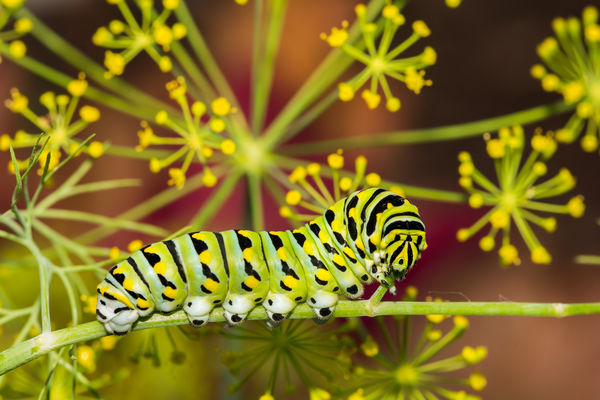
Black Swallowtail Caterpillar
The black swallowtail caterpillar feeds on plants in the carrot family such as parsley, dill, and fennel. As it grows, it changes from a tiny black and white larva into a vibrant green caterpillar striped with black and dotted with yellow. These colors help signal to predators that it may taste unpleasant. After several weeks of feeding, it forms a chrysalis and begins its transformation into a striking black swallowtail butterfly.
Explore in 3D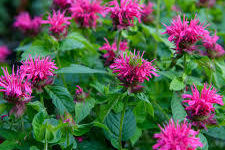
Blush Pink Bee Balm
The blush pink bee balm is one of the most vibrant native flowers in North America. Each summer, it blooms in prairies and gardens, relying on sunlight and healthy soil to thrive. As bees, butterflies, and hummingbirds sip nectar from its soft petals, they help pollinate the landscape around them. Blush pink bee balm reminds us how color and fragrance can nourish entire ecosystems.
Explore in 3D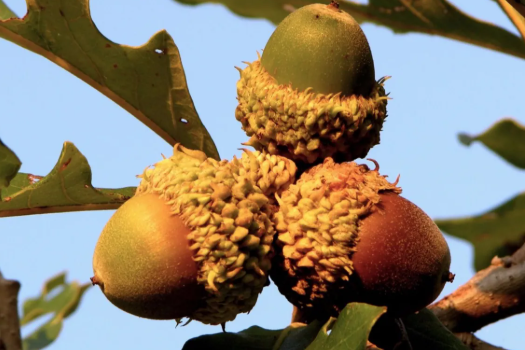
Burr Oak Acorn
The burr oak acorn is one of the most important native tree seeds in North America. Each fall, it drops from towering burr oaks, relying on healthy woodlands and prairies to thrive. As wildlife gathers and stores these acorns, forests continue to grow across the landscape. The burr oak acorn reminds us how strong ecosystems begin from something small.
Explore in 3D